
The natural facelift, honestly.
No surgery. No needles. No miracle promises. The at-home face & body techniques everyone's searching for in 2026 — face yoga, jaw release, gua sha, ice, red light, microneedling — with what each one can actually do, what's hype, and exactly how to do it safely.
What the trend promises you, vs. what the evidence actually says.
Tap any row for the honest version.
❖
Facial exercise, massage and cold therapy do not replicate filler, neurotoxin or an energy device. What they can do is improve circulation, ease the tension you hold in your face, and build a ritual you'll actually keep. Treat them as a complement to skincare and lifestyle — not a substitute for a dermatologist. From Section 2 · Why the DIY layer matters
What's inside the guide.
Fifteen sections — every major technique, with the evidence graded. Tap one for a preview.
The honest cost of looking after your face.
What the clinic charges — and what the at-home layer costs.
Fillers typically run hundreds of dollars and last 6–12 months. ‘Jawtox’ is every 3–4 months. Energy treatments like RF microneedling and Ultherapy run into the thousands. The at-home techniques in this guide use tools that cost roughly $6–$200 — and several use nothing but your own hands.
What you actually get for $19.
A realistic weekly plan
Everything tied together: the daily 5–10 minutes, the 2–3×/week sessions, the weekly body reset, and a monthly photo check-in. Built to start light and build up — not to overwhelm.
Step-by-step routines
Exact, numbered instructions for every technique — face yoga, jaw release, gua sha, ice facials, derma rolling, red light, acupressure — with timings, reps, and how much pressure to use.
The evidence, graded honestly
Every method scored for what the research actually shows — from the strongest (red/NIR light, microneedling) to the mostly-anecdotal — so you spend your effort where it pays off.
A tools buying guide
What to buy and what to skip: real price ranges from $6 to $6,000+, what reviewers consistently report, buying tips, and where to find each one.
Clear "who should avoid this"
Specific cautions for every technique — rosacea, eczema, Raynaud's, cold urticaria, pregnancy, TMJ, diabetes-related nerve issues — and the one tool that actually breaks the skin.
A dedicated jaw & TMJ release
The masseter self-massage, the Human Garage-style fascial release with an honest reality check on its claims, and the red flags that mean see a dentist or physical therapist.
A whole-body reset
The same levers applied to the body: lymphatic drainage, cold and contrast showers, a realistic cold-plunge protocol by experience level, and the sadhu (nail) board.
Curated video resources
Vetted channels and search terms for visual, step-by-step learning — plus a simple test for whether any wellness video is actually worth trusting.
Honest about what works.
Honest about what's hype.
Honest about what we don't yet know.
This is not a beauty manifesto. It's an editorial reference. When the evidence is strong — as it is for red and near-infrared light — we say so. When a mechanism is plausible but the trials are thin, we say that. When a claim is marketing dressed up as physiology, we name it.
Phrases like "mostly anecdotal" and "not supported by mainstream evidence" appear throughout. Read them as a feature, not a flaw — they're how you avoid wasting months on the wrong thing.
And every technique comes with who should avoid it, because "natural" does not mean "risk-free" — facial icing, cold plunges and at-home microneedling all carry real contraindications, and the guide is explicit about each one.
Independent Evidence-graded
Common questions, briefly.
It's a downloadable PDF guide (2026 edition). You receive it instantly after checkout. Lifetime access, no subscription, no upsell.
No — and the guide says so plainly. At-home techniques do not replicate filler, neurotoxin or an energy device. What they realistically do is improve circulation, reduce puffiness, release jaw and facial tension, and build a calming routine. A few (red/near-infrared light, microneedling) have genuine evidence for gradual skin-quality gains over weeks.
Honestly: weeks, not days. Gua sha and icing give a temporary de-puffed, lifted look right away; the techniques with lasting effects work on an 8–12 week timeline with consistent practice. The guide tells you exactly when to reassess instead of chasing daily change.
No. Several techniques — face yoga, jaw release, acupressure — use only your hands. Where a tool helps, the guide gives honest price ranges from about $6 and flags what isn't worth it. You decide how far to go.
A few things are. Facial icing, cold plunges and especially derma rolling (which punctures the skin) carry real contraindications. The guide lists exactly who should avoid each technique and when to see a dermatologist, dentist or doctor. It is educational, not medical advice.
Yes — this is the first edition at its launch price of $19, one time.
The marketing layer is loud.
The evidence is quiet.
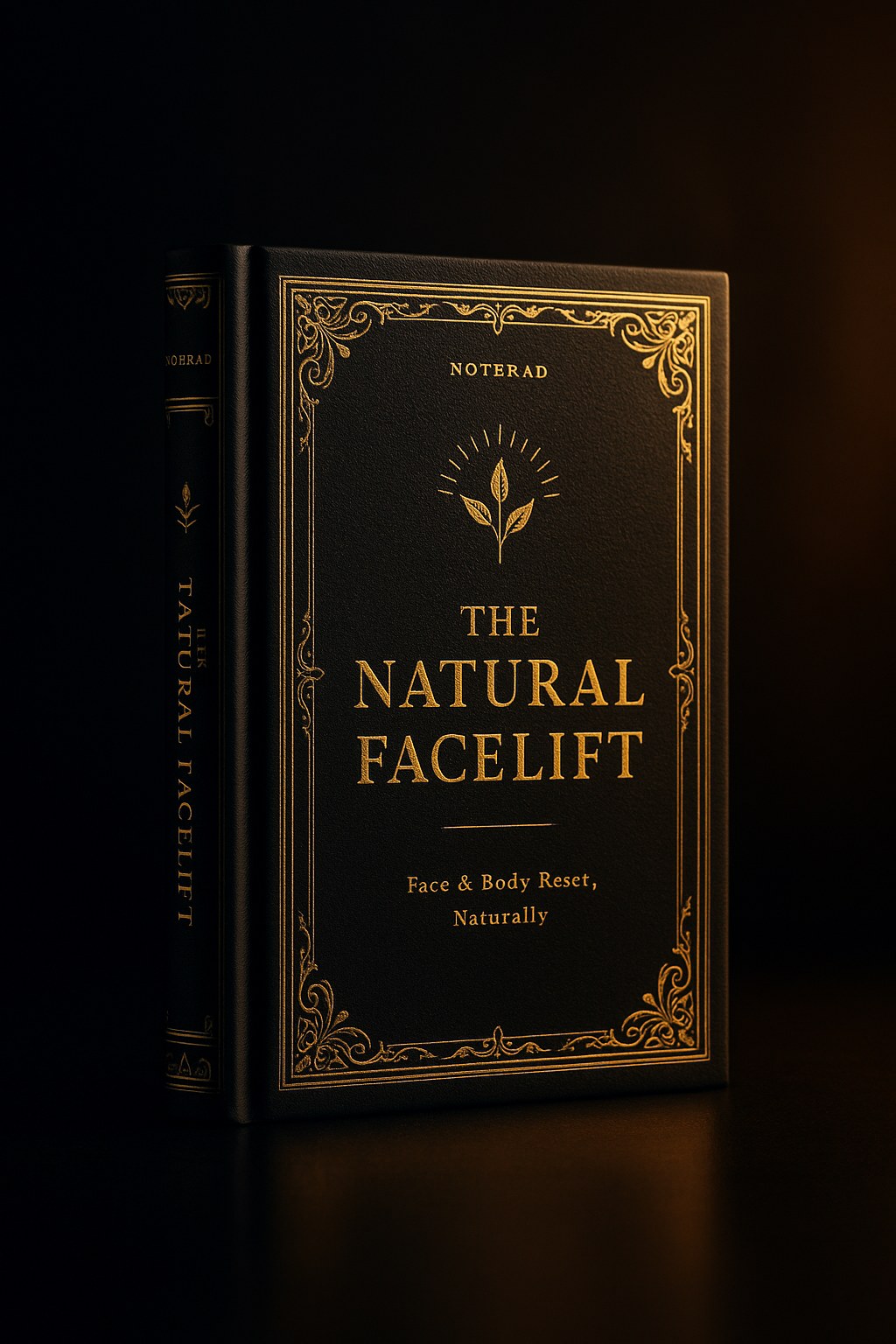
The whole at-home toolkit in one honest guide — face yoga, jaw release, gua sha, ice, red light, microneedling, acupressure and a full-body reset. What each one really does, what's hype, who should skip it, and a weekly plan that ties it all together. Read it once. Keep it for good.